
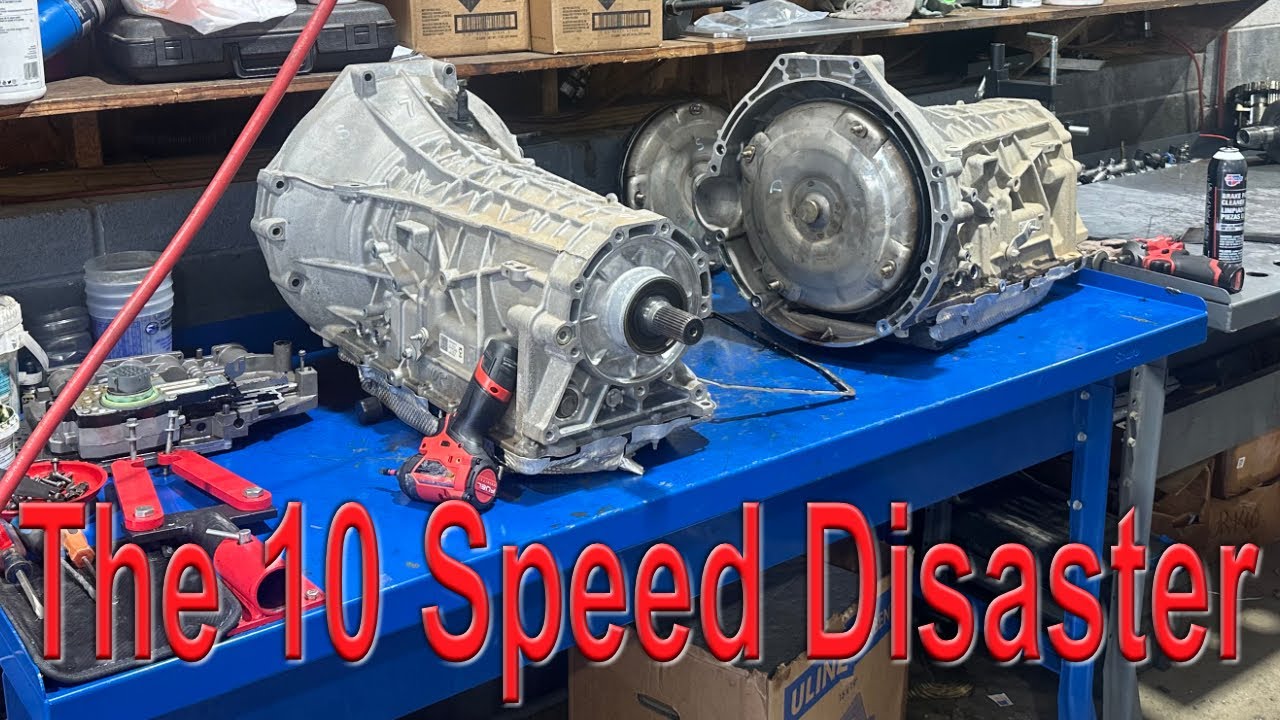
General Motors (GM) has faced mounting criticism and driver complaints over 10-speed transmission issues across a wide range of its vehicles. Owners of Chevrolet, GMC, and Cadillac models have reported persistent GM transmission problems, including shuddering, jerking, slipping, and, in some cases, recalls due to transmission control valve defects. Whether you drive a Chevy Silverado truck or a sporty Camaro, understanding the common symptoms, affected models, and your rights as an owner is essential.
In this detailed article, we explain:
✔ What is the GM 10-speed automatic transmission?
✔ Which GM vehicles have documented 10-speed transmission issues.
✔ What common symptoms drivers report.
✔ The scope of GM recalls related to 10-speed transmission defects.
✔ What owners can do next including legal options and safety tips.
What Is the GM 10-Speed Automatic Transmission?
The GM 10-speed automatic transmission is one of the most widely used modern transmissions in General Motors’ lineup, replacing older 6-speed and 8-speed units in many trucks, SUVs, and performance cars. This transmission was co-developed by GM and Ford, and equipped with advanced gear ratios intended to improve fuel economy and performance. However, despite these goals, many GM owners have reported persistent issues that suggest fundamental design or manufacturing defects.
Unlike simpler transmissions, a 10-speed unit relies on complex hydraulic circuits, valve bodies, and precision-controlled transmission control modules (TCMs). When any of these elements malfunction, the result can be harsh shifts, failed gear engagements, or other driving hazards.
Why Are GM 10-Speed Transmission Problems So Widespread?
There are several reasons why GM transmission problems have affected so many models:
-
Shared Transmission Design Across Models:
GM uses the same 10-speed automatic design across multiple vehicle platforms from trucks and SUVs to sedans and sport cars. This means a defect in a shared component will affect a broad range of vehicles. -
Transmission Control Valve Wear:
Many of the reported issues and the underlying recalls stem from premature wear in the transmission control valve or valve body. When these components fail or lose hydraulic pressure, gear engagements become rough or erratic. -
Torque Converter Clutch Shudder:
Internal imperfections and fluid channeling flaws can cause the torque converter clutch (TCC) to slip erratically, leading to the familiar shuddering many drivers report. -
Software Calibration Issues:
Some failures are linked not to hardware defects but to inadequate control software, which fails to properly manage hydraulic pressure or gear timing.
Which GM Vehicles Have 10-Speed Transmission Issues?
A key concern for many owners is whether their vehicle is affected by known GM 10-speed transmission issues. Below is a comprehensive list of the most commonly reported models associated with transmission complaints, service bulletins, and recall actions:
Chevrolet Models Affected
-
2020–2022 Chevrolet Camaro (10-speed automatic) Owners report harsh shifting, vibrations, and possible wheel lockup in extreme cases.
-
2019–Present Chevrolet Silverado 1500 & Silverado HD Frequent complaints of shuddering, jerking, slipping, and delayed shifts.
-
2020–2022 Chevrolet Tahoe & Suburban Jerking, hesitation and rough shift transitions under load.
GMC Models Affected
-
2019–Present GMC Sierra 1500 & Sierra HD Transmission vibration, shuddering, and poor shift quality are common.
-
GMC Yukon / Yukon Denali — Same issues reported as with Silverado and Tahoe due to shared architecture.
Cadillac Models Affected
-
2020–2021 Cadillac CT4 & CT5 Part of a formal recall due to premature valve wear.
-
2019–2020 Cadillac CT6 Included in the extended recall for wheel lockup risk.
-
Cadillac Escalade (2020–2022 Diesel / Larger SUVs) Shares the same transmission defect as other GM SUVs.
Symptoms of GM 10-Speed Transmission Problems
Knowing the real warning signs of transmission trouble can help you protect yourself and your vehicle. The most commonly reported GM transmission problem symptoms include:
1. Shuddering or Vibration at Cruise or Acceleration
Many drivers feel a deep vibration or shaking while cruising especially when the torque converter engages — which is often linked to internal clutch or hydraulic pressure issues.
2. Jerky or Harsh Gear Shifts
Shifts that feel abrupt, unresponsive, or late particularly between 2nd-3rd or 7th-8th gears — are common complaints with the 10-speed automatic.
3. Hesitation or Slip During Acceleration
Some vehicles hesitate when accelerating from stops or downshift unexpectedly under load, leading to a sluggish feel or intermittent power delivery.
4. Unexpected Wheel Lock Up (Rare)
This is one of the most serious symptoms. In rare instances, prematurely worn valve bodies have caused momentary lockup of a wheel during downshifts prompting safety recalls.
5. Transmission Warning Light or Limp Mode
Modern GM vehicles may enter “limp mode” and illuminate service lights when internal monitoring detects control valve wear or low hydraulic pressure.
GM Recalls Related to 10-Speed Transmission Defects
Because of the severity of some of these issues, GM has issued multiple recalls related to the 10-speed automatic transmission in several models.
2025 10-Speed Transmission Recall (Extended)
GM expanded a recall to include more than 90,000 vehicles equipped with the 10-speed automatic, including:
-
2019–2020 Cadillac CT6
-
2020–2021 Cadillac CT4 & CT5
-
2020–2022 Chevrolet Camaro
The defect is tied to excessive wear in a transmission control valve, which can lead to loss of pressure, harsh shifting, and rare wheel lock-ups.
GM’s remedy includes a software update to better monitor valve wear and potentially limit gear usage if excessive wear is detected a preventative step designed to reduce risk.
Recall Expansion to Trucks & SUVs
In addition to cars, GM previously recalled large pickups and SUVs (such as Silverado, Sierra, Tahoe, and Yukon) due to the same transmission valve body defects. These recalls cover hundreds of thousands of vehicles and were partially expanded after initial investigations.
How to Check If Your GM Vehicle Is Recalled
Owners should always verify their recall status. The U.S. National Highway Traffic Safety Administration (NHTSA) provides a recall lookup tool where you can enter your VIN and check for any active recalls including transmission defects.
Steps:
-
Visit the NHTSA VIN lookup website.
-
Enter your 17-digit VIN.
-
Review any open recalls, service actions, or safety compliance issues.
Checking recalls is free and can alert you to safety updates or required repairs before problems worsen.
Is There a Class Action or Legal Option for Affected Drivers?
Because many drivers report repeated repair attempts that fail to fix the underlying defect, legal action:
-
Lemon law claims
-
Class action lawsuits
-
Warranty recovery demands
…may be appropriate for eligible owners. Law firms have pursued claims on behalf of GM owners seeking compensation for diminished vehicle value, repeated service visits, and repair costs.
While this article is meant for general information and not legal advice, if your transmission continues to fail after multiple qualified repairs, consult an attorney specializing in automotive defects.
Tips for GM Owners with 10-Speed Transmission Vehicles
If you own a GM vehicle equipped with a 10-speed automatic transmission, here’s what you should do:
1. Monitor Symptoms Early
Don’t ignore jerkiness, vibration, or hesitation — early detection can prevent bigger failures.
2. Keep Detailed Service Records
Whenever your vehicle is serviced for transmission work, retain receipts and service notes. These records can be valuable if there’s a warranty claim or legal dispute.
3. Schedule Dealership Diagnostics
Always return to a GM certified dealership for transmission diagnostics to ensure recalls or software updates are applied.
4. Check Recalls Regularly
Even if your initial VIN lookup shows no active recall, manufacturers sometimes expand recall criteria.
5. Know Your Rights
If repairs fail repeatedly, learn about your state’s lemon law and potential compensation eligibility.
Conclusion: GM 10-Speed Transmission Issues — What Drivers Should Know
The GM 10-speed transmission has been both a technological milestone and a source of extensive frustration for owners across Chevrolet, GMC, and Cadillac lineups. While the advanced design aims for improved performance and efficiency, widespread issues like shuddering, harsh shifting, and control valve defects have pushed many drivers into service centers — and even into legal action.
Best Auto Accident Attorney USA Whether you’re considering buying a used GM vehicle or own one already, understanding the common transmission problems, knowing which models are most affected, and staying on top of recalls and repairs is critical. Regular monitoring, prompt dealership action, and informed decisions can make all the difference in avoiding costly transmission failures down the road.